

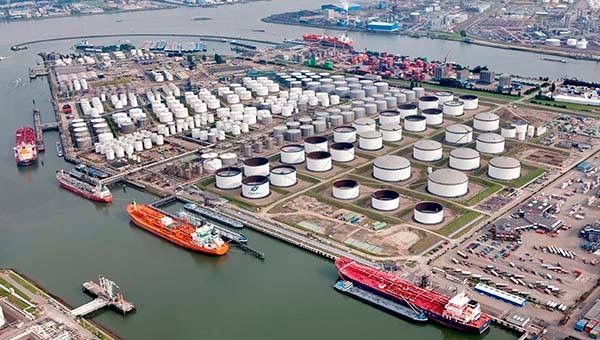
Storage capacity Rotterdam terminal is a critical factor for petroleum buyers, commodity traders, and logistics professionals seeking reliable storage in Europe’s largest energy hub. This article is designed for international fuel importers—particularly those sourcing products from U.S. refineries—who must secure storage capacity before completing transactions.
The core problem is access: Rotterdam terminals operate at high utilization levels, and available storage is often limited, competitively allocated, and subject to strict regulatory controls. Without a clear understanding of capacity availability, contract structures, and operational constraints, buyers risk delays, financial losses, or failed deliveries.
Buying directly from a U.S. refinery offers advantages such as transparent pricing, consistent product quality, and reliable supply chains. However, these advantages depend on securing verified storage at the destination. Rotterdam, as a central hub in global petroleum logistics, plays a decisive role in bridging supply and demand.
Understanding Storage Capacity Rotterdam Terminal Market Structure
Rotterdam is part of the Amsterdam–Rotterdam–Antwerp (ARA) region, one of the world’s largest petroleum storage and trading centers. Terminals in this region handle:
- Crude oil
- Refined products such as diesel, gasoline, and jet fuel
- Petrochemical feedstocks
Storage capacity refers to the total volume of petroleum products that can be held in tanks at any given time, typically measured in cubic meters or barrels.
The market structure is characterized by:
- High demand from global traders
- Limited expansion due to environmental regulations
- Integration with global shipping and pipeline networks
Storage Capacity Rotterdam Terminal Availability and Constraints
Capacity Utilization Trends
Rotterdam terminals often operate near maximum capacity, particularly during periods of global oversupply. According to market observations from Oil Price (https://oilprice.com), storage demand increases when oil prices are low, as traders store products for future sale.
Seasonal and Market-Driven Fluctuations
Storage availability is influenced by:
- Seasonal demand (e.g., winter heating fuel, summer gasoline)
- Refinery output levels
- Global supply dynamics
Data from the International Energy Agency (IEA) (https://www.iea.org) highlights how European storage hubs absorb fluctuations in global supply and demand.
Infrastructure Limitations
Expansion of storage capacity in Rotterdam is constrained by:
- Environmental regulations
- Land availability
- Capital investment requirements
As a result, competition for tank space remains high.
Pricing Dynamics of Storage Capacity Rotterdam Terminal
Key Pricing Factors
Storage costs in Rotterdam depend on:
- Tank location within the port
- Product type and handling requirements
- Lease duration
- Market demand
Insights from Reuters Energy (https://www.reuters.com/business/energy/) indicate that storage rates can rise significantly during supply gluts.
Spot vs Long-Term Pricing
Buyers typically choose between:
- Spot (short-term) rates: Higher, but flexible
- Long-term contracts: Lower, but require commitment
Each option has different risk and cost implications.
Additional Costs to Consider
Beyond base rental rates, buyers must account for:
- Throughput fees
- Heating or blending costs
- Insurance and maintenance charges
- Demurrage fees for delays
Understanding total cost is essential for accurate financial planning.
Contract Structures and Allocation Mechanisms
Types of Storage Agreements
Common agreements include:
- Tank leasing contracts
- Throughput agreements
- Capacity reservation agreements
These contracts define how storage capacity is allocated and used.
Allocation Process
Storage allocation typically involves:
- Requesting capacity from terminal operators
- Negotiating contract terms
- Confirming scheduling and logistics
Because demand often exceeds supply, allocation may depend on:
- Existing relationships
- Contract duration
- Volume commitments
Contractual Risks
Buyers must carefully review:
- Capacity guarantees
- Termination clauses
- Liability provisions
Ambiguities can lead to disputes or financial exposure.
For insight into legal expertise required for such reviews, platforms like https://legalvacatures.nl/ provide context on professionals working in energy law.
Regulatory Compliance and Legal Framework
European and Dutch Regulations
Rotterdam terminals operate under:
- EU environmental directives
- Dutch national laws
- Port authority regulations
These frameworks ensure safety, environmental protection, and operational efficiency.
Compliance Verification
Buyers must confirm that the facility:
- Holds valid operating permits
- Meets inspection requirements
- Complies with environmental standards
Failure to verify compliance can result in delays or legal penalties.
For broader legal context, https://legalvacatures.nl/about/ provides useful background on regulatory systems.
Logistics and Operational Realities
Strategic Connectivity
Rotterdam offers extensive connectivity, including:
- Deep-water port access for large vessels
- Pipeline networks linking Europe
- Rail and truck distribution systems
This infrastructure supports efficient movement of petroleum products.
Scheduling and Throughput
Operational efficiency depends on:
- Alignment between vessel arrival and tank availability
- Efficient loading and unloading processes
- Accurate inventory management
Delays can result in demurrage charges and contractual penalties.
Risks in Securing Storage Capacity Rotterdam Terminal
Capacity Shortages
High demand can lead to:
- Limited availability of tanks
- Increased leasing costs
- Delays in securing storage
Fraud and Misrepresentation
Risks include:
- Allocation of non-existent tanks
- Double-booking of capacity
- Forged documentation
These risks are heightened in transactions involving intermediaries.
Regulatory Non-Compliance
Failure to meet regulatory standards can result in:
- Denial of access
- Financial penalties
- Operational disruptions
Market Opportunities for Buyers
Arbitrage and Storage Strategies
Rotterdam’s storage capacity enables buyers to:
- Purchase oil during low-price periods
- Store it for future sale
- Capitalize on price differentials
These strategies depend on access to reliable storage.
Role in Global Trade
Rotterdam is a key hub in global petroleum markets. Data from the U.S. Energy Information Administration (EIA) (https://www.eia.gov) shows the importance of European storage in distributing U.S. exports.
Influence of Global Supply
Production decisions by OPEC (https://www.opec.org) influence storage demand, affecting availability and pricing in Rotterdam.
Risk Mitigation Strategies for Buyers
Independent Verification
Buyers should:
- Confirm tank availability through multiple sources
- Verify operator authority
- Conduct site visits or third-party inspections
Legal and Technical Due Diligence
Comprehensive due diligence includes:
- Reviewing contracts with legal experts
- Assessing technical suitability of tanks
- Confirming regulatory compliance
For access to legal support, https://legalvacatures.nl/contact/ may provide relevant connections.
Financial Safeguards
To reduce financial risk:
- Use escrow arrangements
- Avoid large upfront payments
- Link payments to verified milestones
Future Trends in Storage Capacity Rotterdam Terminal
Digitalization and Transparency
The industry is adopting:
- Digital storage management systems
- Real-time inventory tracking
- Blockchain-based contract verification
These technologies improve efficiency and reduce fraud.
Energy Transition Impacts
The transition to cleaner energy may influence:
- Demand for petroleum storage
- Investment in infrastructure
- Market dynamics
However, Rotterdam is expected to remain a central hub in global energy trade.
Conclusion
Storage capacity Rotterdam terminal is a cornerstone of global petroleum logistics, enabling the efficient movement and storage of energy products. For buyers sourcing from U.S. refineries, it provides essential access to European markets.
By understanding capacity constraints, pricing dynamics, regulatory requirements, and contractual structures, buyers can make informed decisions that reduce risk and enhance operational efficiency. In a competitive and complex market, securing reliable storage is a key factor in achieving successful transactions.
1 Comment
The best law firm in NYC! They explain everything to you and they are very generous and helpful. The lawyers are excellent and very respectful. I highly recommend the Avvocato law firm.